
"Can I use my indoor string lights outside this year?" is one of the most common questions we get - and the short answer is no. Indoor and outdoor Christmas lights look almost identical on the shelf (and in the product photo), but the engineering under the surface is completely different. This guide explains what actually changes, so you can buy the right set the first time.
The Core Difference: Weather Resistance
Every outdoor set is built to one number: the IP rating. Two digits, and they mean different things:
- First digit (0-6) - protection against solids (dust). 4 = protection against objects larger than 1 mm.
- Second digit (0-8) - protection against water. 4 = splashes from any direction; 5 = low-pressure water jets; 6 = powerful water jets; 7 = short-term immersion; 8 = continuous immersion.
For Christmas lights, the tiers that matter in practice are:
- IP44 - splash-proof. Good for covered eaves, porches, and semi-exposed walls. This is the minimum for most "outdoor" retail sets.
- IP65 - dust-tight + low-pressure water jets. The right call for exposed garden, patio, fence, and anything that will sit in the rain. Our 72ft IP65 solar string lights are a good example.
Indoor sets are typically IP20 or IPX0 - no water protection at all. They're fine in a dry room and will fail in a few weeks of damp or a single rainstorm.
Cable and Housing: Where the Difference Lives
Two components carry the weather burden:
- Cable jacket - outdoor sets use UV-stabilised PVC that won't crack or become brittle in frost and sun. Indoor cable is standard PVC, which becomes rigid in cold and is the first thing to fail outdoors.
- LED housing / socket - outdoor sockets are sealed with a gasket or potted in resin. Indoor sockets are open mouldings. You can usually see the difference: outdoor housings look "puffy" or have a visible seal; indoor ones look flush and open.
If you're buying a mixed set (indoor + outdoor) for one property, the outdoor set should carry the eaves, garland, and anything exposed; the indoor set can take the tree, table, and mantel. Don't cross that line.
Power Options: Where Can Each Actually Go?
The power source often decides the location more than the IP rating does:
- Plug-in - the default for both indoor and outdoor. For outdoor, look for a socket with a sealed connector and a longer lead wire (5 m is standard) so you can run the cord back to a sheltered outlet.
- Battery - works anywhere, indoor or outdoor. The best choice for tables, mantels, window sills, and outdoor spots where wiring is impractical. Our 50 LED battery-operated string lights are a good indoor-anywhere pick.
- USB - almost always indoor. Low draw, powered from a laptop, power bank, or USB hub. Great for desks and small displays. Our USB copper wire fairy lights are a good example.
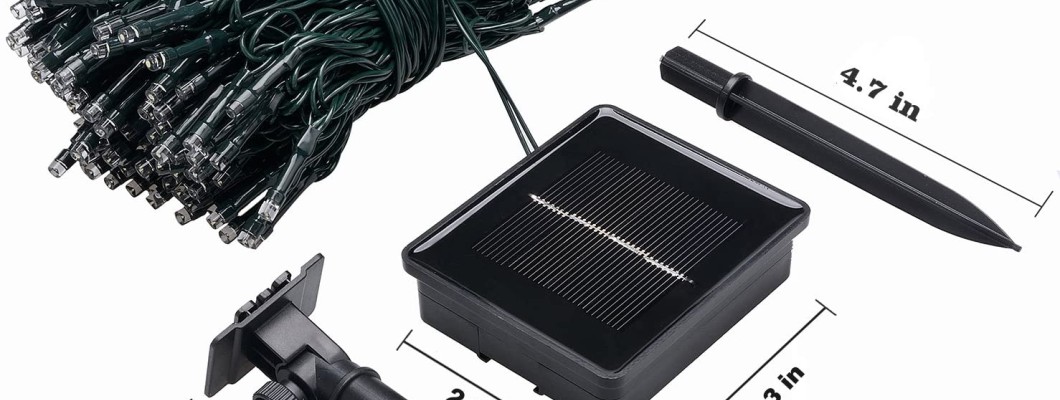
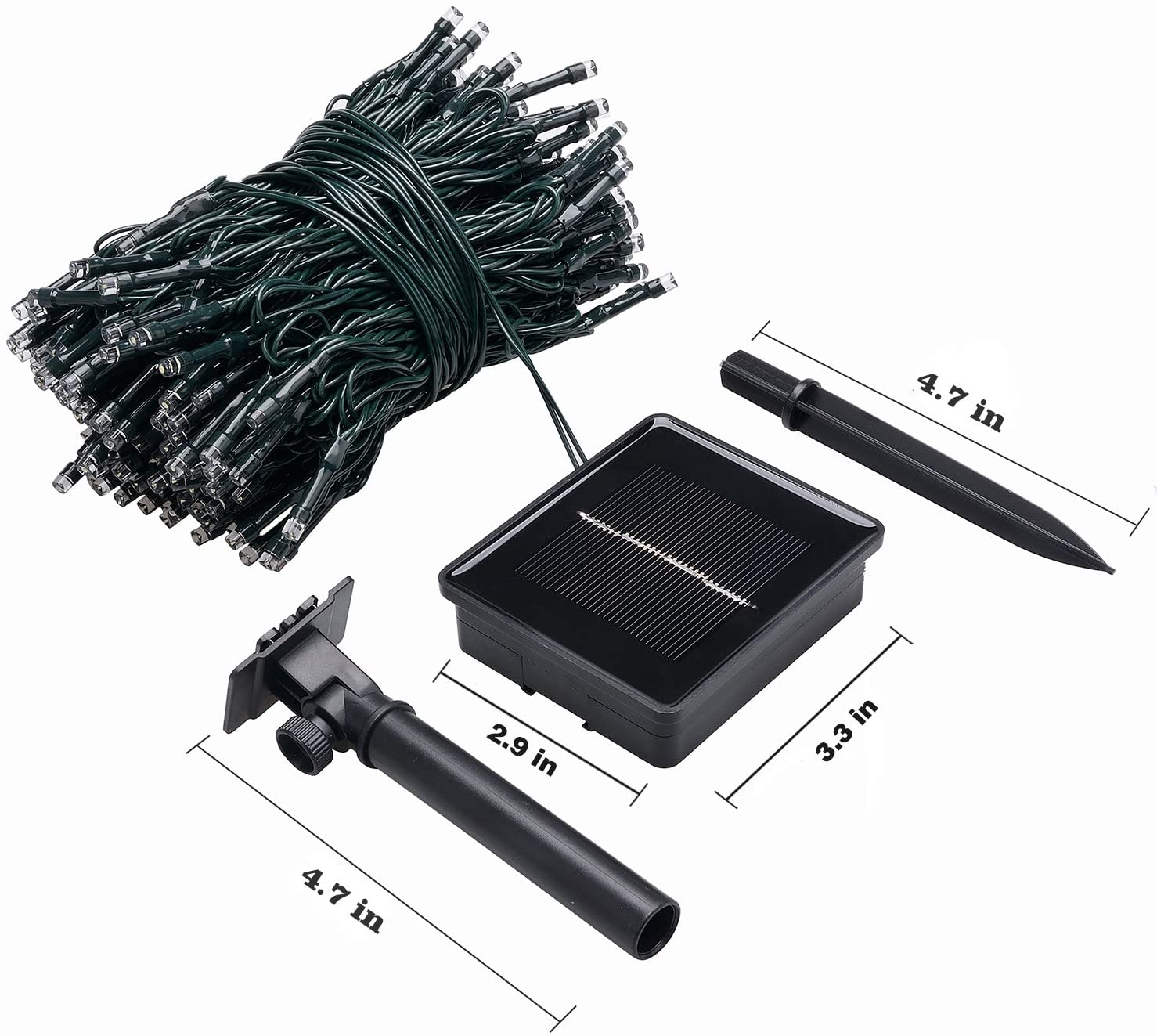
- Solar - almost always outdoor. The panel needs direct sun for 6+ hours a day to charge for a full night of light. Best for garden, patio, fence, and anywhere you can't run a cord. Our 68ft solar string lights are built for this.
For a single property, a common pattern is: outdoor plug-in for the eaves and garland, solar for the garden, battery for the table and mantel. That covers everything without a single extension cord across a wet patio.
Lifespan and Failure Modes
Indoor and outdoor sets fail in different ways. Knowing this helps you spot a quality set:
- Indoor set used outdoors - cable becomes brittle and cracks within a few cold nights; water gets into the socket and the LED shorts out; the plug housing moulds. Total failure typically within one winter.
- Outdoor set used indoors - works fine, just overkill. The UV-stabilised cable and sealed sockets are harmless indoors.
So if there's any doubt, buy the outdoor set. It will last longer and will work in both places. The reverse is not true.
Price: Is Outdoor Worth the Premium?
Yes, if the light will see weather. An outdoor set typically costs 10-25% more than an equivalent indoor set, for the UV cable, sealed sockets, and IP-rated housing. For a single season of covered use, indoor is fine. For two or more seasons, or any exposed use, the outdoor premium is cheap insurance - a replacement set costs more than the premium you saved.
How to Tell at a Glance
- Check the IP rating - IP44 or higher = outdoor. No IP rating or IP20 = indoor only.
- Look at the socket - sealed or potted = outdoor. Open moulding = indoor.
- Feel the cable - slightly thicker, matte finish = outdoor. Thin, glossy = indoor.
- Check the lead wire length - 5 m lead is standard for outdoor (so you can run the cord back to a sheltered outlet); 2-3 m is typical for indoor.
Frequently Asked Questions
What's the minimum IP rating for outdoor Christmas lights? IP44 for covered eaves and porches. IP65 for anything exposed to rain, garden, patio, or fence.
Can I use indoor lights on a covered porch? If it's fully covered and never gets wet, yes. If there's any chance of a leak or a rainstorm, buy the IP44 outdoor version.
What's the difference between IP44 and IP65? IP44 is splash-proof (covered eaves). IP65 is dust-tight and handles low-pressure water jets (exposed garden, patio, fence).
Are solar lights a good choice for the garden? Yes, if the panel gets 6+ hours of direct sun a day. For 6-8 hours of light per night, solar is the right call and avoids running a cord.
How do I know if a set is truly outdoor-rated? Check the IP rating (IP44 or higher), look at the socket (sealed or potted), and feel the cable (slightly thicker, matte). If it has no IP rating, it's indoor only.
Can I buy both indoor and outdoor sets for one property? Yes - that's the normal pattern. Outdoor plug-in for eaves and garland, solar for the garden, battery or USB for the table and mantel.